


.jpg)

.jpg)
.jpg)
.jpg)


Key Witnesses in the JFK Assassination: What We Know
The assassination of President John F. Kennedy on November 22, 1963, remains one of the most scrutinized events in American history. With countless theories and speculations surrounding the incident, the testimonies of key witnesses have played a crucial role in piecing together the events of that fateful day. This blog post delves into the accounts of those who were present during the assassination, examining their statements, the inconsistencies, and how their testimonies have shaped our understanding of this pivotal moment in history.

The Scene of the Crime
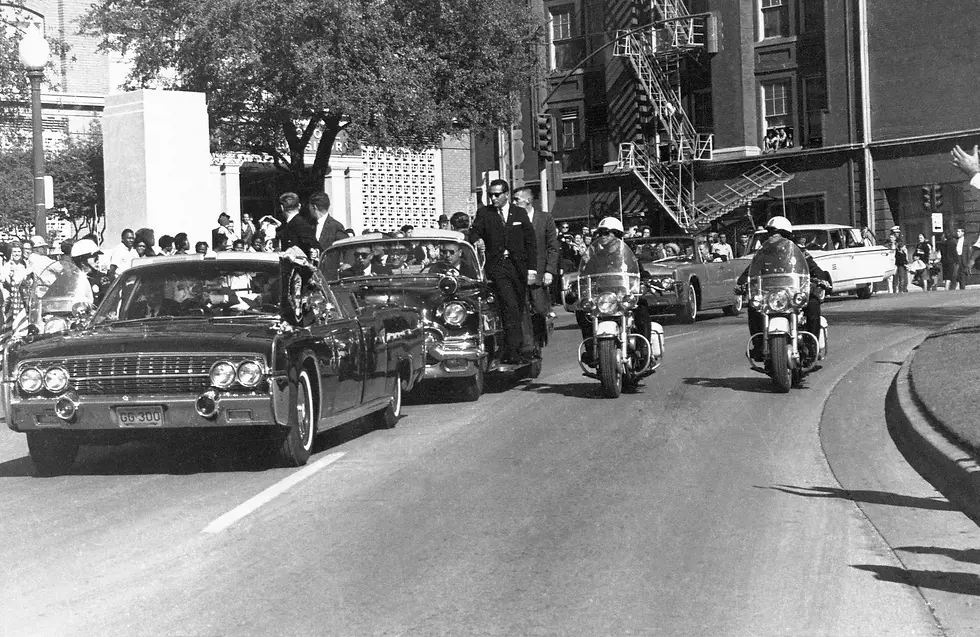
Dealey Plaza in Dallas, Texas, was the site of the assassination. On that day, a motorcade carrying President Kennedy passed through the plaza, where thousands of onlookers had gathered to witness the event. The atmosphere was electric, filled with excitement and anticipation. However, this excitement quickly turned to horror as shots rang out, forever changing the course of American history.
Key Witnesses
Several individuals witnessed the assassination, each providing unique perspectives on the events that unfolded. Here are some of the most notable witnesses:
1. Abraham Zapruder
Abraham Zapruder, a dress manufacturer, is perhaps the most famous witness due to his home movie capturing the assassination. His footage, known as the Zapruder film, provided crucial visual evidence of the shooting. The film has been analyzed extensively and remains a key piece of evidence in understanding the sequence of events.
Key Points from Zapruder's Testimony:
- He was positioned on a concrete pedestal, giving him a clear view of the motorcade.
- Zapruder reported hearing three shots, which he initially thought were firecrackers.
- His film showed the moment Kennedy was struck, providing a chilling visual of the event.
2. Mary Moorman
Mary Moorman was another eyewitness who captured a photograph during the assassination. Her image, taken just moments after the shots were fired, has been used to analyze the scene and the reactions of those present.
Key Points from Moorman's Testimony:
- She was standing near Zapruder and took a picture with her Polaroid camera.
- Moorman described seeing the President's head move violently backward after the shot.
- Her photograph has been scrutinized for details regarding the trajectory of the bullets.
3. Jean Hill
Jean Hill, known as the "Lady in Red," was also present in Dealey Plaza. She provided a detailed account of the events and was vocal about her belief that shots came from the grassy knoll, rather than the Texas School Book Depository.
Key Points from Hill's Testimony:
- Hill reported seeing a man with a rifle on the grassy knoll.
- She described the chaos that ensued after the shots were fired, including the reactions of the crowd.
- Hill's testimony has fueled various conspiracy theories regarding the assassination.
The Aftermath
The immediate aftermath of the assassination saw a flurry of activity as law enforcement and medical personnel responded to the scene. Witnesses were interviewed, and their accounts began to shape the narrative of what happened that day.
4. Officer J.D. Tippit
Officer J.D. Tippit was a Dallas police officer who was shot and killed shortly after the assassination. His death is often linked to Lee Harvey Oswald, who was arrested later that day.
Key Points from Tippit's Testimony:
- Tippit had stopped Oswald for questioning shortly after the assassination.
- Witnesses reported seeing Tippit approach Oswald, leading to a confrontation.
- The circumstances surrounding Tippit's death remain a point of contention in the investigation.
5. Lee Harvey Oswald
Lee Harvey Oswald, the man accused of assassinating Kennedy, was also a key figure in the narrative. His arrest and subsequent murder by Jack Ruby added layers of complexity to the investigation.
Key Points from Oswald's Testimony:
- Oswald denied any involvement in the assassination, claiming he was a "patsy."
- His behavior during police interrogations raised questions about his mental state.
- Oswald's death prevented further questioning and investigation into his motives.
Analyzing the Testimonies
The testimonies of these witnesses have been analyzed for inconsistencies and corroborations. Some witnesses reported hearing different numbers of shots, while others disagreed on the location of the shooter. These discrepancies have fueled conspiracy theories and debates about the true nature of the assassination.
The Role of the Warren Commission
The Warren Commission was established to investigate the assassination and produced a report that concluded Oswald acted alone. However, many witnesses felt their testimonies were misrepresented or overlooked.
Key Findings of the Warren Commission:
- The Commission concluded that three shots were fired, two of which struck Kennedy.
- It found no credible evidence of a conspiracy.
- Many witnesses felt their accounts were not adequately considered.
The Impact of Witness Testimonies on Conspiracy Theories
The varying accounts of witnesses have led to numerous conspiracy theories regarding the assassination. Some believe that multiple shooters were involved, while others argue that there was a larger plot to kill Kennedy.
Common Conspiracy Theories:
- The involvement of the CIA or organized crime.
- The idea that Oswald was framed or set up.
- The belief that there were additional shooters on the grassy knoll.
The Legacy of the Witnesses
The witnesses of the JFK assassination have left a lasting impact on American history. Their accounts continue to be studied, debated, and analyzed, shaping our understanding of that tragic day.
The Importance of Eyewitness Accounts
Eyewitness accounts are crucial in any investigation, but they can also be unreliable. Factors such as stress, trauma, and the passage of time can affect memory and perception.
Challenges with Eyewitness Testimonies:
- Memory can be influenced by external factors, leading to inconsistencies.
- The stress of witnessing a traumatic event can alter perceptions.
- Different perspectives can lead to conflicting accounts.
Conclusion
The assassination of John F. Kennedy remains a complex and controversial topic. The testimonies of key witnesses provide valuable insights into the events of that day, but they also raise questions about the reliability of memory and the nature of truth. As we continue to explore this pivotal moment in history, the voices of those who witnessed the assassination will remain integral to our understanding.
The legacy of the witnesses serves as a reminder of the importance of seeking truth and understanding in the face of tragedy. As new evidence and perspectives emerge, the story of JFK's assassination continues to evolve, inviting us to question, reflect, and learn from the past.


Comments