


.jpg)

.jpg)
.jpg)
.jpg)


Uncovering Hidden Facts About the JFK Assassination
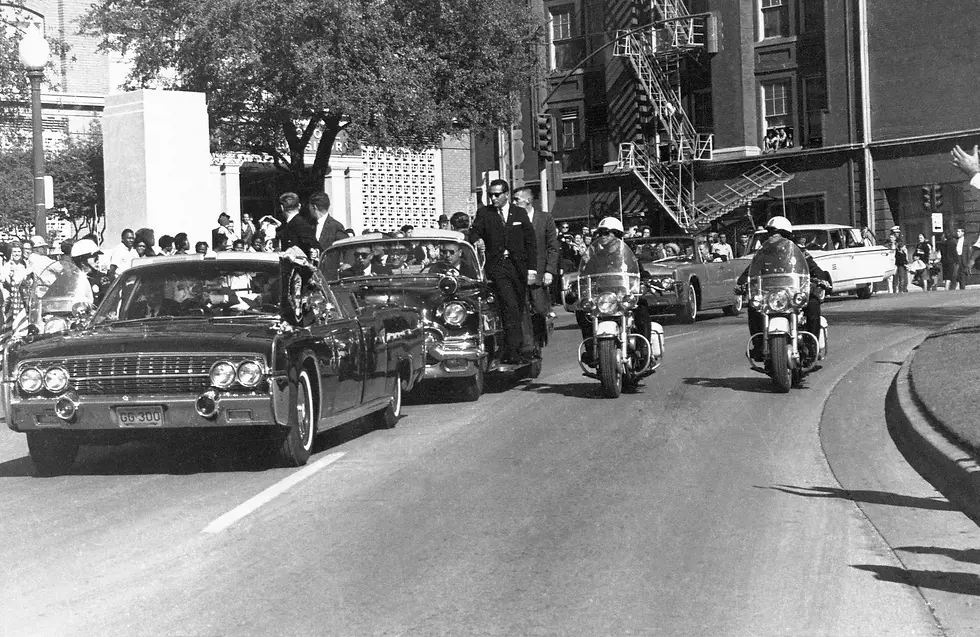
The assassination of President John F. Kennedy on November 22, 1963, remains one of the most controversial and debated events in American history. While the official narrative states that Lee Harvey Oswald acted alone, numerous theories and hidden facts continue to emerge, challenging this conclusion. In this blog post, we will explore some of these lesser-known aspects of the JFK assassination, shedding light on the complexities surrounding that fateful day.

The Context of the 1960s
To understand the significance of JFK's assassination, we must first look at the context of the 1960s. This was a time of great social upheaval in the United States, marked by the civil rights movement, the Vietnam War, and a growing distrust in government. Kennedy's presidency was characterized by a push for civil rights, a focus on space exploration, and a commitment to combating communism. His assassination not only shocked the nation but also intensified the existing tensions and conspiracy theories.
The Political Climate
The political climate during JFK's presidency was fraught with tension. The Cold War was at its peak, and the threat of nuclear war loomed large. Kennedy's administration faced significant challenges, including the Cuban Missile Crisis and the escalating conflict in Vietnam. These events contributed to a sense of urgency and paranoia, which would later fuel conspiracy theories surrounding his assassination.
The Role of the Media
The media played a crucial role in shaping public perception of the assassination. The coverage was intense and immediate, with television bringing the events into living rooms across the nation. This unprecedented access to information created a sense of urgency and speculation, leading to a plethora of theories about who was responsible for JFK's death.
The Official Narrative
The Warren Commission, established by President Lyndon B. Johnson, concluded that Lee Harvey Oswald acted alone in the assassination of JFK. However, this conclusion has been met with skepticism over the years. Many believe that the investigation was flawed and that key evidence was overlooked.
Flaws in the Warren Commission Report
Critics of the Warren Commission have pointed out several flaws in its findings:
Limited Scope: The Commission focused primarily on Oswald, neglecting other potential suspects and motives.
Inconsistent Testimonies: Many witnesses provided conflicting accounts of the events leading up to and following the assassination.
Suppressed Evidence: Some documents and evidence were withheld from the public, leading to speculation about what was being hidden.
Conspiracy Theories
The JFK assassination has spawned countless conspiracy theories, each with its own set of claims and evidence. Here are a few of the most prominent theories:
The Mafia Connection
One of the most popular theories suggests that the Mafia was involved in JFK's assassination. This theory posits that organized crime figures were unhappy with Kennedy's crackdown on their operations and sought revenge. Some evidence supporting this theory includes:
Jack Ruby: The nightclub owner who killed Oswald, Ruby had connections to organized crime.
Testimonies: Several witnesses claimed to have seen Mafia members in Dealey Plaza on the day of the assassination.
The CIA's Involvement
Another theory suggests that the CIA played a role in JFK's assassination. Proponents of this theory argue that Kennedy's policies, particularly regarding Cuba and Vietnam, threatened the agency's interests. Key points include:
Bay of Pigs: Kennedy's failure at the Bay of Pigs invasion angered many within the CIA.
Secret Operations: The CIA had a history of covert operations, leading some to believe they could have orchestrated the assassination.
The "Lone Gunman" Theory
While the official narrative supports the lone gunman theory, many believe it oversimplifies the situation. Critics argue that the evidence does not support the idea that Oswald acted alone. Key arguments include:
Multiple Gunmen: Some witnesses reported hearing shots from different locations, suggesting more than one shooter.
Ballistics Evidence: Questions have been raised about the trajectory of the bullets and the number of shots fired.
The Aftermath
The assassination of JFK had profound effects on American society and politics. The immediate aftermath saw a nation in mourning, but it also led to significant changes in government and public perception.
The Impact on Civil Rights
Kennedy's assassination galvanized the civil rights movement. His death created a sense of urgency among activists, leading to significant legislative changes, including the Civil Rights Act of 1964 and the Voting Rights Act of 1965.
The Rise of Conspiracy Theories
In the wake of JFK's assassination, conspiracy theories flourished. The lack of trust in the government and the media fueled speculation, leading to a culture where many Americans began to question official narratives. This skepticism persists today, influencing how people view significant events.
New Evidence and Ongoing Investigations
In recent years, new evidence and investigations have emerged, reigniting interest in the JFK assassination. Some of these developments include:
Declassified Documents
The release of previously classified documents has shed new light on the events surrounding JFK's assassination. These documents have revealed:
Connections to Foreign Governments: Some documents suggest potential involvement from foreign entities, including Cuba and the Soviet Union.
Internal Conflicts: Evidence of internal conflicts within the government regarding how to handle the investigation has come to light.
Ongoing Research
Researchers and historians continue to investigate the assassination, seeking to uncover new facts and perspectives. This ongoing research is crucial for understanding the complexities of the event and its implications for American history.
Conclusion
The assassination of JFK remains a deeply complex and controversial topic. While the official narrative points to Lee Harvey Oswald as the lone gunman, numerous theories and hidden facts challenge this conclusion. As new evidence emerges and public interest continues, the quest for truth surrounding JFK's assassination remains as relevant today as it was in 1963.
As we reflect on this pivotal moment in history, it is essential to remain curious and critical, seeking to understand the layers of complexity that surround such a significant event. The pursuit of truth is not just about uncovering hidden facts; it is about understanding the impact of those facts on our society and our future.


Comments